
OTP Code Scam by SMS: How to Avoid Having Your Accounts Hacked
You receive a code by SMS and someone immediately asks you for it by phone or WhatsApp? This is the classic OTP theft scheme. This code is the key to your accounts: never share it. Here's how to recognize and stop this scam.
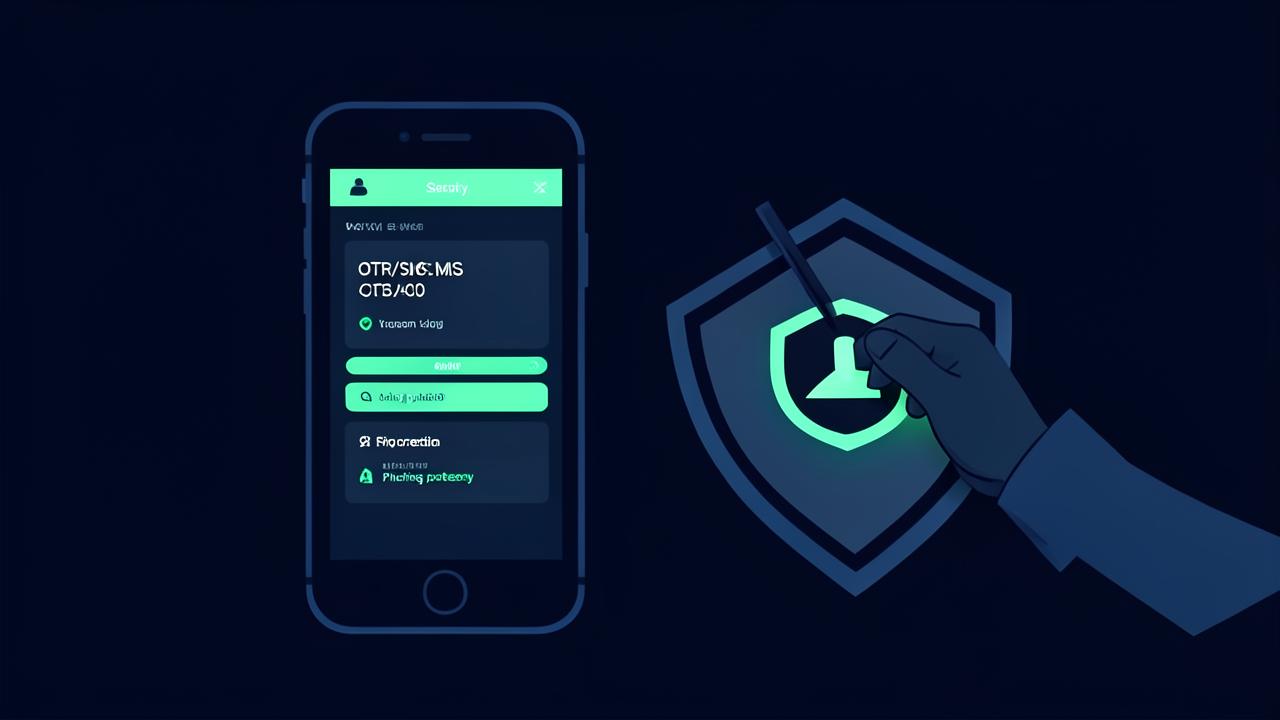
How the OTP code scam works
The OTP (One-Time Password) is a 6-digit code sent by SMS or app to verify your identity. When you try to log into WhatsApp, your bank, or an online account, this code proves it's really you.
Fraudsters try to make you believe they need this code for an urgent reason: blocking a transaction, recovering an account, or helping a friend. In reality, they use it to log into your account or validate a transfer. Within seconds, they can steal your money, your conversations, or your data.
Examples of OTP-theft messages and calls
Here are the most common scenarios:
Example 1 — WhatsApp hacking
"Hi, I just sent you a code by SMS. Can you repeat it to me? I made a mistake with my number."
Example 2 — Fake bank customer service
"Bank: a suspicious transfer has been detected. A verification code will be sent to you. Give it to us to block the transaction."
Example 3 — Mobile money scam
"I'm from Orange Money support. You're about to receive a confirmation code. Give it to me to cancel a fraudulent withdrawal."
Example 4 — Helping a friend
"Please send me the code you just received. I need to recover my Facebook account."
Warning signs of an OTP code scam
Be careful if someone asks you for a code using one of these pretexts:
- You're asked for the code you just received by SMS.
- Someone calls you claiming to be technical support, a bank, or an operator.
- You're pressured ('your account will be blocked', 'transaction in progress').
- The person asks for the code 'by mistake' or to 'help a friend'.
- The requested code is a 6-digit code sent by WhatsApp, your bank, or an online service.
- You're asked to repeat the code several times.
- The request comes by WhatsApp, SMS, or phone call — never through a secure official channel.
- You're promised a refund or a prize in exchange for the code.
How to react if someone asks for your OTP code
- 1NEVER give a code received by SMS, even to someone close to you or a supposed customer service.
- 2If you've already given the code, change your password immediately and log out of all sessions.
- 3Enable two-step verification on WhatsApp and your important accounts.
- 4Block the number and report it as fraudulent.
- 5In case of hacking, contact the official support of the affected service.
- 6Check suspicious messages with our analyzer before replying.
Someone asking for a code you received by SMS?
It's very likely a scam. Paste the message into our tool to be sure.
Check a suspicious message nowFrequently asked questions about OTP code scams
What is an OTP code used for?
An OTP (One-Time Password) is a single-use code sent by SMS or app to confirm your identity. Whoever holds it can often log into your account or validate a transaction.
Why should you never share your OTP code?
The OTP code is the last security barrier for your accounts. Sharing it, even with someone close to you, is like handing over the keys to your account. A real service will never ask for it.
I gave out my OTP code, what should I do?
Immediately change your password, enable two-factor authentication, log out of all active sessions, and monitor your accounts. Contact official support if you notice suspicious activity.
How do I enable two-factor authentication on WhatsApp?
In WhatsApp, go to Settings > Account > Two-step verification. Enable it with a personal PIN code. That way, even if someone has your SMS, they won't be able to activate WhatsApp on another phone.
Une personne sur deux a déjà reçu ce type de message. Partagez avant qu'elle ne tombe dans le piège.
Envoyer ce guide sur WhatsApp