
Mobile Money Scams in Africa: Wave, Orange Money, MoMo, MTN and How to Protect Yourself
Mobile money has revolutionized payments across French-speaking Africa. But with its popularity, scams have multiplied: fake SMS, fake calls, PIN theft. Here's how to recognize this fraud and protect your money, wherever you are.
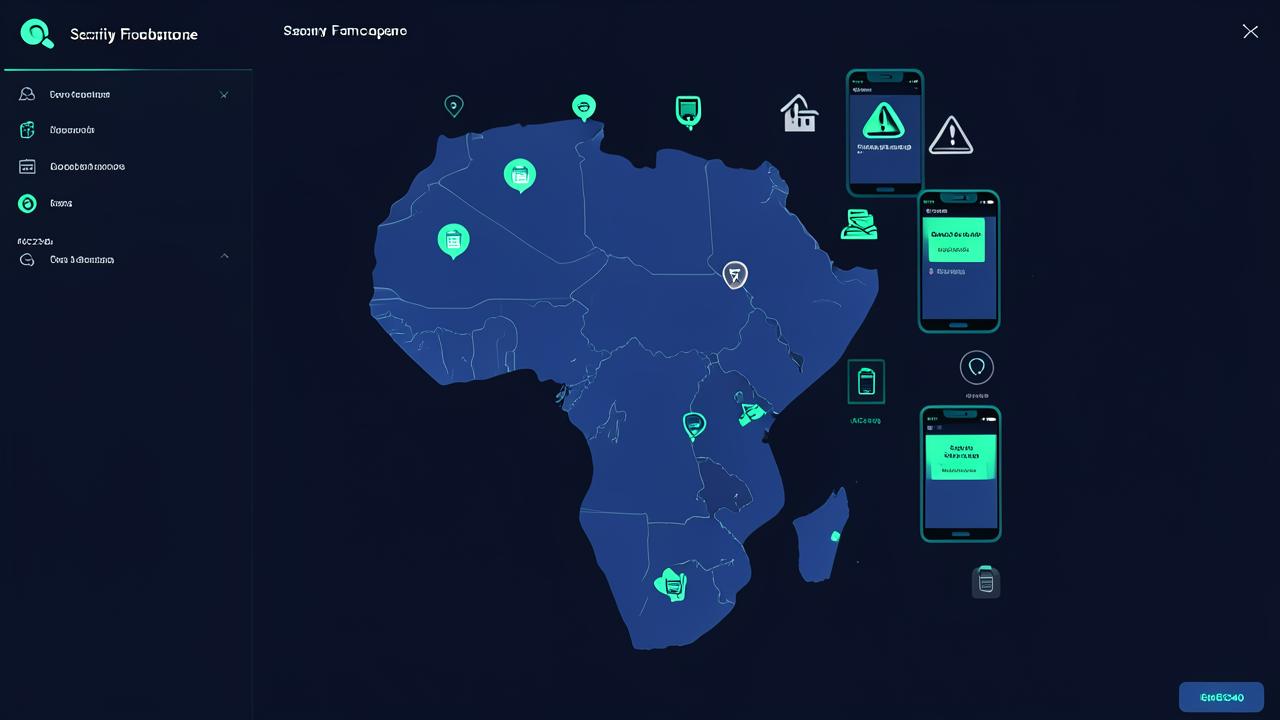
Why mobile money is a prime target
Across French-speaking Africa, millions of people use Wave, Orange Money, MTN MoMo, Airtel Money or Moov Money to send money, pay bills or make purchases. Fraudsters know that many users aren't familiar with digital scams, and they exploit that trust.
Their preferred method is to obtain two pieces of information: your PIN code and the validation (OTP) code sent by SMS. With these two codes, they can empty your account in seconds from anywhere in the world.
Mobile money scams by French-speaking country
Each country has its own operators, but the fraud patterns remain similar:
Ivory Coast — Wave
Fake winning messages, fraudulent links imitating Wave, fake APK apps. Never click a link and never share your PIN code.
Senegal — Orange Money / Wave
Fake customer service calls, fake refunds and OTP code requests. Hang up and check in the official app.
Cameroon — Orange Money / MTN MoMo
Fake parcel scams linked to mobile money, fake job offers and fake winnings. Be wary of urgent messages requesting payment.
Gabon — Airtel Money / Moov Money
Fake SMS about financial aid or tax refunds. No administration ever asks you to pay fees via mobile money.
Burkina Faso — Orange Money / Moov Money
Phishing by SMS and phone calls to obtain the PIN code. Never share this code, even with a relative or a supposed agent.
Warning signs of a mobile money scam
Be cautious if you notice any of these signs, regardless of the operator:
- You're told about a prize or refund you never requested.
- You're asked for your PIN code or a code received by SMS (OTP).
- A supposed agent calls you to 'regularize' or 'verify' your account.
- The message contains a short link or a suspicious address.
- You're asked to send money to unlock a prize.
- Artificial urgency: blocked account, suspicious transaction, last chance.
- The sender uses a mobile or foreign phone number.
- You're asked to install an app outside of official app stores.
How to react to a mobile money scam
- 1Never share your PIN code or OTP, even with a relative.
- 2Don't click links received by SMS or WhatsApp.
- 3Check your transactions directly in the official app.
- 4Block the number and report it as fraud.
- 5If you lost money, contact your operator immediately.
- 6Use our checker to verify a suspicious message before acting.
Not sure about a mobile money message?
Paste it into our tool. You'll know in a few seconds if it's a scam.
Check a suspicious message nowFrequently asked questions about mobile money scams in Africa
Can my operator ask for my PIN code?
No. No operator or mobile money service ever asks for your PIN code or OTP. These codes are personal and must stay secret.
Can I lose money just by clicking a link?
Clicking alone doesn't steal your money, but a link can lead to a fake page that captures your login details, or to a malicious app. Don't click suspicious links.
What should I do if I already shared my PIN code?
Change it immediately in the official app, check your recent transactions and contact your operator. If money is missing, file a police report.
Do mobile money scams affect every African country?
Yes, wherever mobile money is used (West Africa, Central Africa, East Africa), fraudsters try to obtain users' codes. The schemes are the same everywhere.
Une personne sur deux a déjà reçu ce type de message. Partagez avant qu'elle ne tombe dans le piège.
Envoyer ce guide sur WhatsApp