
"It's me, I've got a new number": the family impersonation scam
One of the most painful WhatsApp scams: a fraudster poses as your child, your sibling or a close friend from a new number and urgently asks for money.
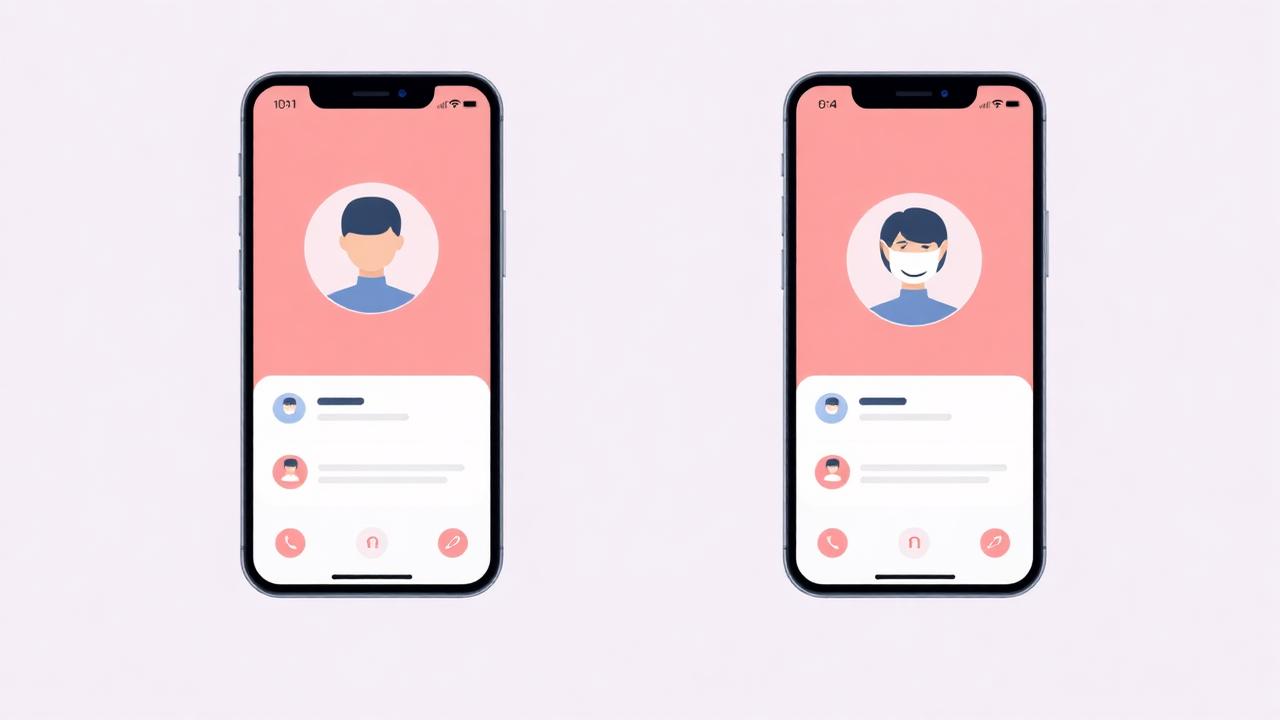
The classic scenario
You receive a WhatsApp message from an unknown number: "Hey mum, it's me, I broke my phone, here's my new number". A few messages later, an emergency: "I need to pay for something right now, can you send me €400? I'll pay you back tonight." The money leaves… toward a scammer.
This scam, also known as the "hi mum scam" or the fake son scam, has exploded since 2022. Scammers grab numbers at random or through data leaks, then send the same message to thousands of people. It only takes one parent in a hundred to believe it to make their day profitable.
The trap's strength lies in two things: parental love, which pushes people to act quickly, and the absence of a voice. As long as the conversation stays written, the scammer can impersonate anyone. As soon as a real call is needed, the trap collapses — which is why they will always refuse to call.
Warning signs
- "Hey mum/dad, it's me, I've got a new number."
- An immediate request to send money for an emergency (broken phone, accident, bail).
- Refusal of any voice or video call ("my mic is broken", "I'm in a meeting").
- A pressuring tone: you must pay "right now", "before tonight".
- The number is unknown, sometimes foreign, and doesn't match the relative's usual number.
- The "relative" knows your first name but stumbles on precise family details.
The right moves
- Call your relative on their old number. Always. Before anything else.
- Ask a question only they would know the answer to (a specific memory, a family nickname).
- Don't send any money until you've heard a real voice on the phone.
- If you've already paid: notify your bank immediately, the transfer can sometimes be stopped.
- Warn your parents and grandparents: they are the main targets.
Unsure about a message from a "relative"?
Paste it into our tool and get a verdict in seconds.
Check a suspicious message nowUne personne sur deux a déjà reçu ce type de message. Partagez avant qu'elle ne tombe dans le piège.
Envoyer ce guide sur WhatsAppSee also: Mobile money scam · All scam types